My Blog

Category: Construction

  • Why Microcement Is a Game-Changer for House Designs in Kenya: Durable, Stylish, and Cost-Effective

    Why Microcement Is a Game-Changer for House Designs in Kenya: Durable, Stylish, and Cost-Effective

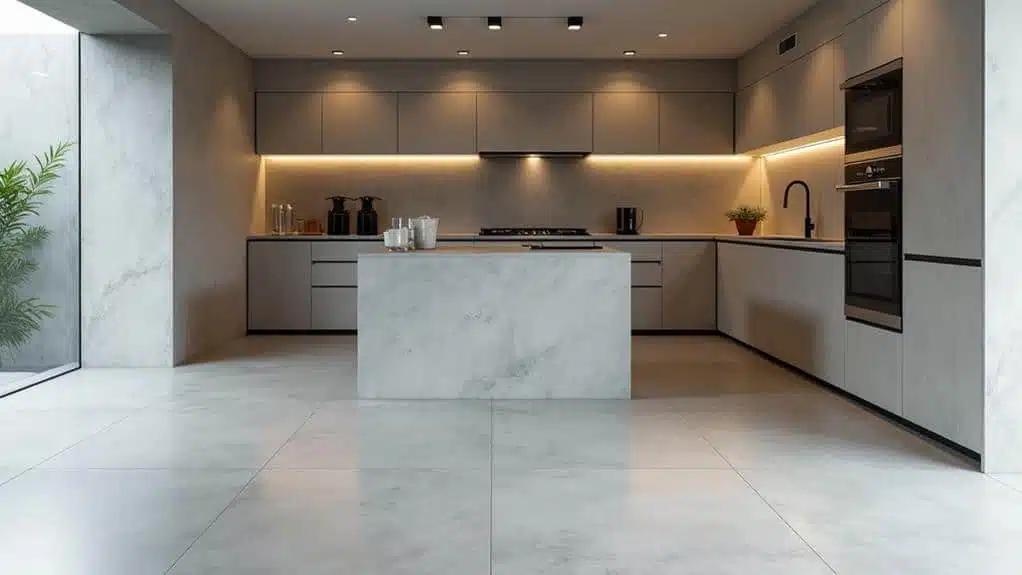
    When you imagine a modern contemporary Kenyan home — sleek lines, smooth floors, minimalist walls, and a contemporary finish — chances are, you’re visualizing a design that can be achieved using microcement. This relatively new material (in Kenya) is revolutionizing interior and exterior finishes for homeowners and developers across Nairobi, Mombasa, Malindi, Diani, Kilfi, Watamu, Nanyuki, Naivasha and beyond. In this blog, we’ll explore why microcement is fast becoming the go-to choice for house designs in Kenya, when it makes sense to use it, and how you can get the most value from it.

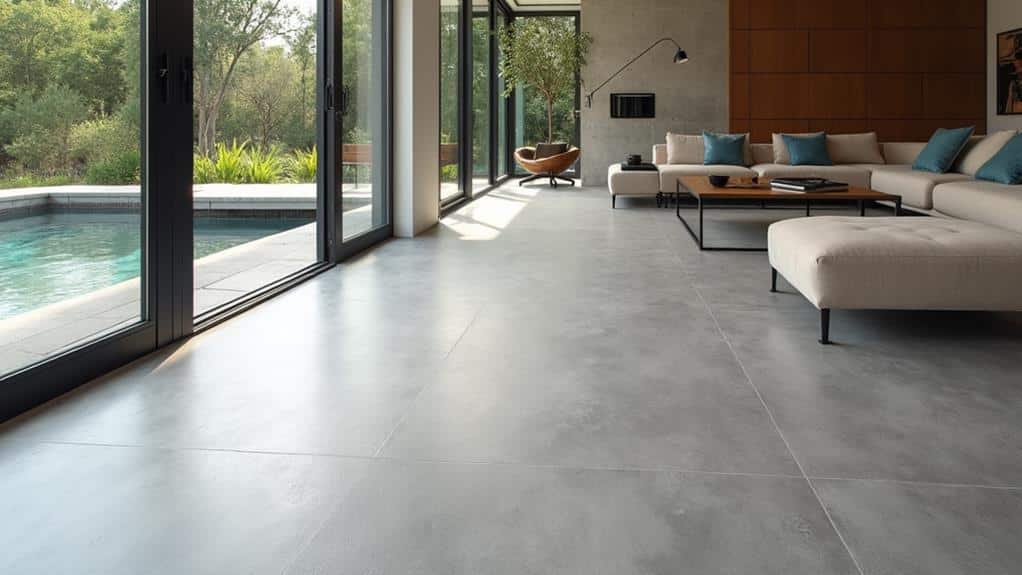
    Microcement on Floor

    What is Microcement and Why It Matters

    The Basics

    Microcement is a thin decorative overlay made from a mix of cement, fine fillers, water-based resins, and mineral pigments.
    Unlike traditional concrete or tile installations, microcement is applied in very thin layers (typically 2–3 mm), which means it doesn’t require heavy structural modifications.

    Key Advantages of Microcement

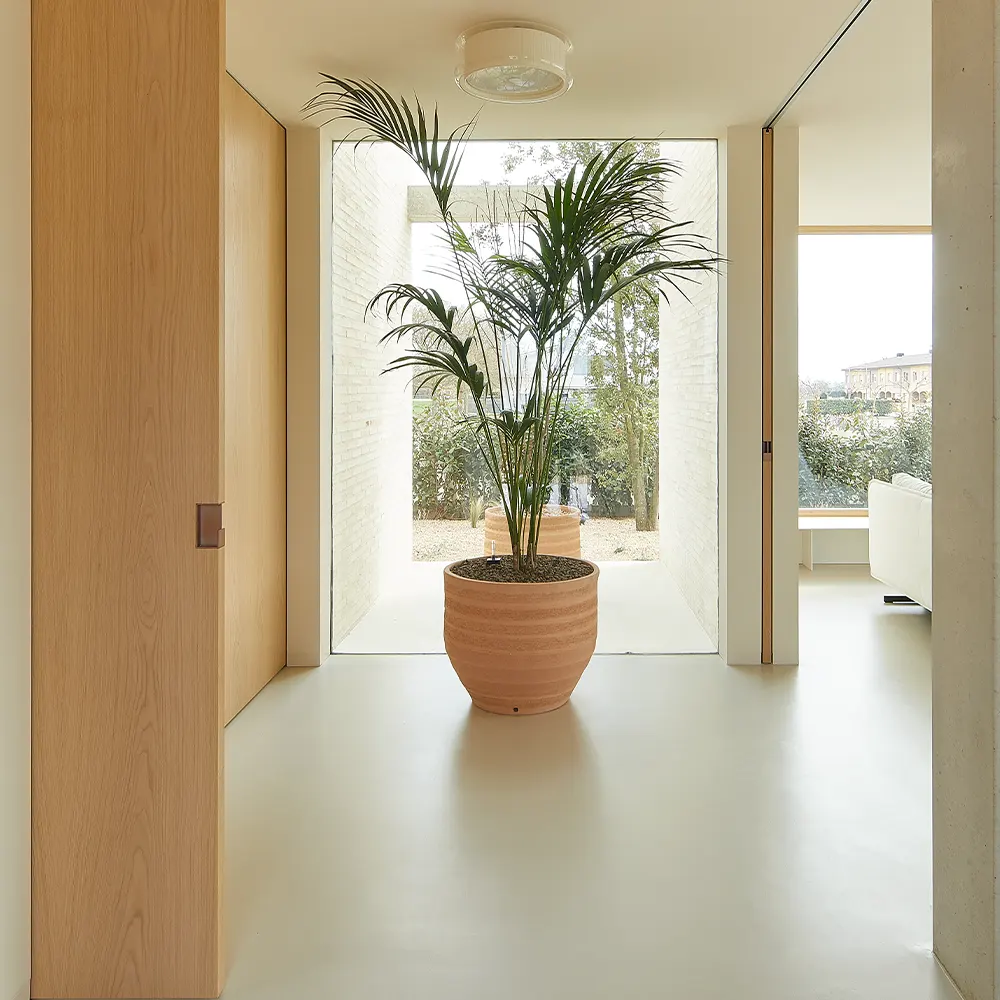
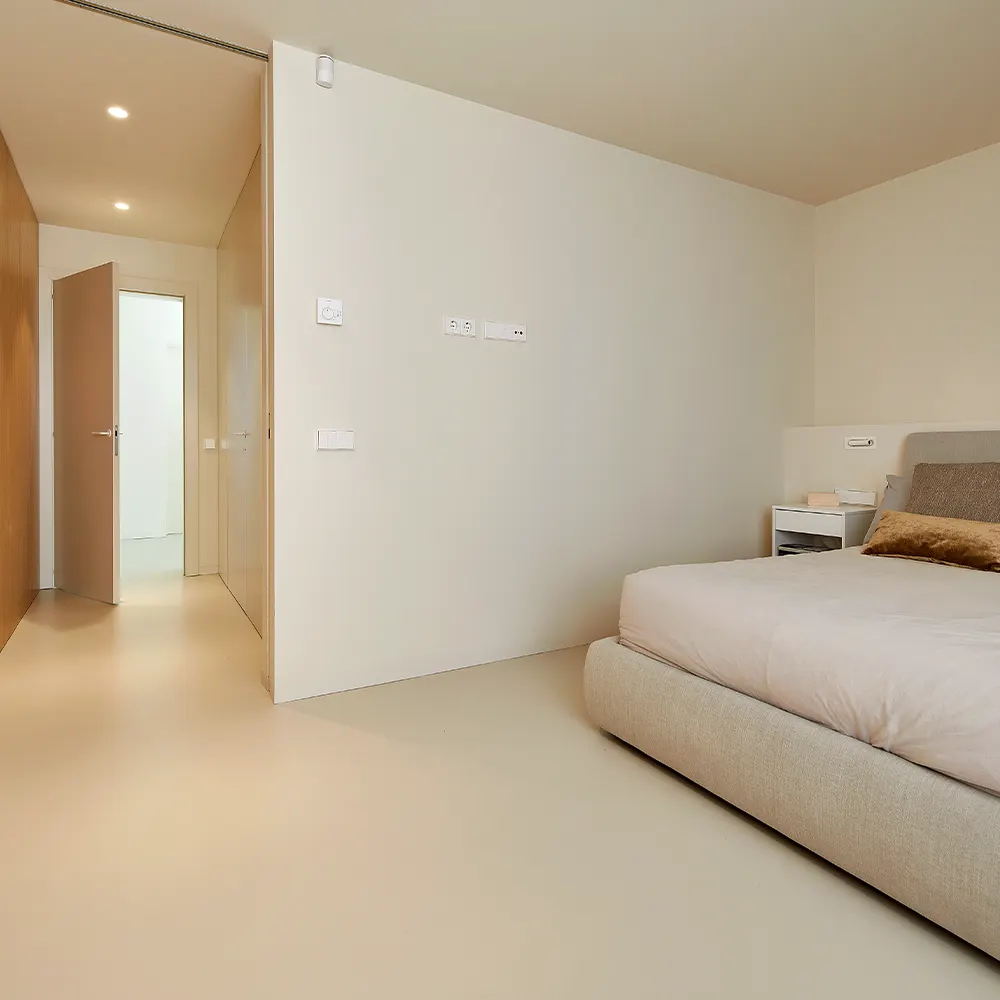
    • Seamless and joint-free surfaces: Microcement delivers a continuous, smooth surface that eliminates grout lines or visible joints — giving interiors a clean, minimalist, high-end feel.

    • Versatility: It can be applied over many kinds of existing surfaces — tiles, plaster, concrete, even old flooring — making it ideal for renovations without major demolition.

    • Durability and resistance: Once properly applied and sealed, microcement surfaces resist abrasion, stains, moisture, and heavy foot traffic — suitable even for busy areas like living rooms, kitchens, bathrooms, or commercial spaces.

    • Aesthetic flexibility: You can achieve a wide range of finishes — from smooth, polished modern concrete-like looks to more textured or rustic finishes. Various colors and effects (matte, satin, polished) are possible depending on your design vision.

    • Efficient renovation and minimal build-up: Because of its thin application, microcement adds minimal extra thickness to floors/walls, which reduces structural load and avoids the need to raise floor heights — a plus in many Kenyan homes.

    Given Kenya’s growing interest in contemporary, minimalist, yet practical home designs, microcement fits perfectly — offering modern aesthetics without the complexity (or debris) of full-scale renovation.

    Microcement is a superior and customizable flooring option compared to polished concrete, ideal for modern spaces.

    Microcement in Kenya: Realities & Use Cases

    What’s Happening Locally

    In Nairobi and other urban centres especially in the Kenyan Coastal regions, companies are already offering microcement supply + installation services. For example, some firms market microcement flooring or wall finishes — even for bathrooms or high-traffic commercial spaces.

    Clients often commit to microcement because it delivers a sleek, modern look that’s easy to maintain and ideal for contemporary house designs in Kenya’s climate (especially if sealed and properly finished to handle moisture).

    Common Applications

    Here are several ways microcement is being used in Kenyan homes and projects:

    • Entire floor finishes — living rooms, open-plan kitchens, hallways, offering that seamless “modern concrete” look without heavy structural work.

    • Bathrooms and wet areas — because microcement can be made waterproof and applied over walls and floors, it works well in bathrooms, showers, and wet zones.

    • Feature walls or accent surfaces — for minimalist wall finishes, clean feature walls, or even partial cladding to give a modern industrial aesthetic.

    • Renovations of existing houses — houses with outdated tiles or finishes can be refreshed with microcement without ripping out old floors — saving on waste and cost.

    In essence: Whether you’re building a new home, doing a renovation, or designing a modern villa or apartment, microcement offers a compelling alternative to traditional finishes.


    What Kenyan Homeowners & Developers Should Know Before Choosing Microcement

    While microcement offers many advantages, you — as a homeowner or developer — need to approach it with clear understanding and realistic expectations. Below are important planning considerations and actionable tips.

    What to Verify / Do Right

    1. Substrate preparation matters: The base surface must be properly prepared — clean, stable, free of movement or moisture. Microcement adheres best when the substrate is sound.

    2. Quality matters: Use reputable microcement providers or suppliers. The finish, durability, and waterproof qualities depend heavily on correct mixing, quality of materials, and installation craftsmanship. In Kenya, there are providers claiming to offer good microcement services — vet them properly or Call us for guidance.

    3. Seal and maintain properly: For longevity — especially in wet areas, or where traffic is high — you should seal the microcement and use recommended cleaning regimes (neutral-pH cleaners, avoid harsh chemicals) to avoid premature wear.

    4. Design for expansion/movement: If the base concrete or screed shifts, even microcement can crack — because the overlay is thin. So structural stability and planning are important.

    5. Set realistic expectations: While microcement gives a high-end finish, it may not “feel” the same as a thick concrete floor — it’s an overlay. Durability is good, but it’s not indestructible. For heavy moving furniture or extreme loading, a structural concrete slab may still be more robust.

    💡 Useful Tips for Kenyan Projects

    • It’s ideal for renovation projects — if you have existing tiled floors or plastered walls but want a modern makeover without heavy demolition.

    • Use neutral, modern colours (grey, earth tones, off-white) to resonate with contemporary Kenyan home designs.

    • For bathrooms or kitchens, seal thoroughly and ensure adequate ventilation — helps avoid moisture-related issues.

    • Pair microcement finishes with complementary design elements: minimalist furniture, modern fixtures, natural light — to maximize the aesthetic impact.

    • When budgeting — factor in both material and skilled labor (preparation, application, sealing). The upfront cost may be higher than basic finishes, but compared to repeated maintenance or redoing of tiles, microcement’s durability can offer better long-term value.


    Microcement + HouseDesigns in Kenya: A Perfect Match

    As someone interested in residential architecture and design & build — especially building cost-effective, elegant homes — you’ll appreciate how microcement aligns with many modern Kenyan housing trends:

    • Contemporary villas and apartments: Easy to deliver the chic, polished concrete look that resonates with urban tastes.

    • Retirement & Holiday homes: microcement as finish can reduce the need for expensive tiles or repeated renovation.

    • Renovation of older properties: Instead of demolition, microcement lets you upgrade surfaces with minimal waste and disruption — ideal for remodeling old houses in Nairobi or other Kenyan towns.

    • Sustainable thinking: Less demolition, minimal material waste, renovation over rebuild — aligns with sustainable building practices and cost-efficient design.

    By integrating microcement into house designs in Kenya, you stand to offer clients a modern, durable, and low-maintenance finish — something many homeowners now actively seek.


    Conclusion & Call to Action

    Microcement is more than just a trend — it’s a practical, flexible, and aesthetic solution that fits well with modern house designs in Kenya. From seamless floors and walls to easy renovation and long-lasting finishes, microcement offers homeowners and developers a compelling way to build or upgrade properties with style and durability.

    So why not give microcement flooring a try and see how it can transform your space?

    If you’re planning a new build, renovation, or want to explore modern finishes for a client project — consider microcement. Evaluate your substrate, choose a reputable installer, and design with the Kenyan context in mind.

    Ready to transform your next project? Contact a trusted local microcement supplier or installer, plan carefully, and give your home the sleek finish it deserves.

  • Cost of Building a 4-Bedroom Maisonette in Kenya (2025 Guide)

    Cost of Building a 4-Bedroom Maisonette in Kenya (2025 Guide)

    Introduction

    Building your dream home in Kenya is one of the most rewarding investments you can make. Yet, one of the biggest questions homeowners ask before starting is:

    “How much does it cost to build a 4-bedroom maisonette in Kenya?”

    The answer depends on several factors — design complexity, location, quality of finishes, and the efficiency of your construction team. In this article, HouseDesigns Kenya breaks down the true cost of construction in Kenya, using a practical example of a 4-bedroom maisonette.

    This guide assumes that land is already available, focusing purely on building and professional costs — from consultants and approvals to the main construction and site works.

    Average Construction Costs in Kenya (2025)

    As of 2025, construction costs have increased due to rising material prices and labour adjustments. However, building a maisonette remains within reach for many homeowners if planned properly.

    Finish Level Estimated Cost (KES per m²) Typical Range (200 m² Maisonette)
    Basic / Low-End 45,000 – 50,000 9 – 10 million
    Standard 55,000 – 75,000 11 – 15 million
    High-End / Luxury 80,000 – 100,000+ 16 – 20 million+

    Most middle-class homes in areas like Nairobi, Kiambu, or Nakuru fall within KES 60,000 – 75,000 per m².

    Image
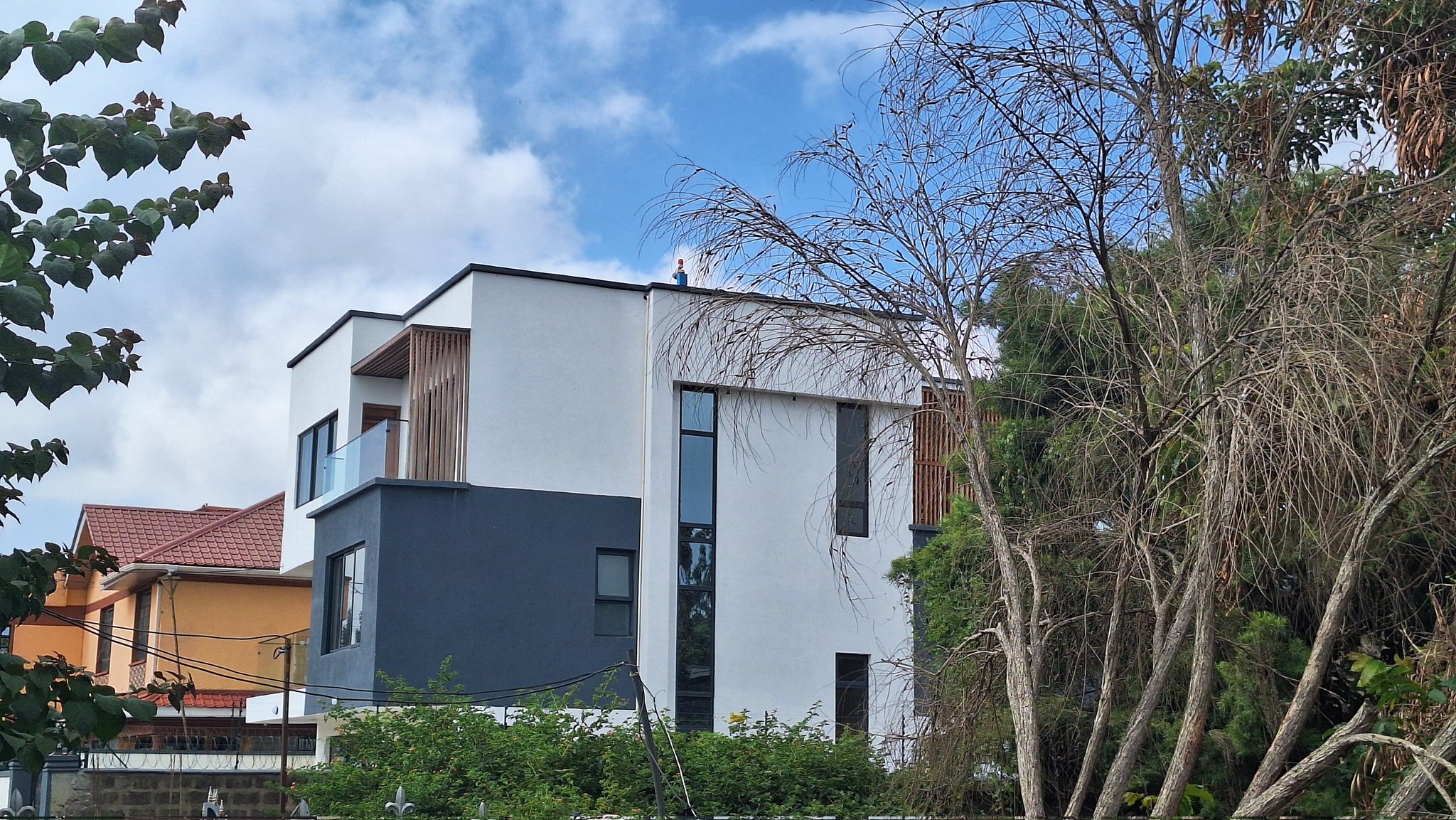
    A 4 bedroom Bedroom Maisonette Designed & Built by HouseDesigns in Kasarani, Nairobi, Kenya

    Example Project: 4-Bedroom Maisonette (Standard Finish)

    • House Type: 4-Bedroom Maisonette (all ensuite)
    • Built-Up Area: 200 m² (Ground + First Floor)
    • Finish Quality: Mid-range standard
    • Land: Already owned
    • Location: Nairobi suburbs

    At an average of KES 65,000 per m²:

    200 m² × 65,000 = KES 13,000,000

    Including a 10% contingency for inflation, a realistic total budget would be around KES 14–15 million.

    Detailed Cost Breakdown

    1️⃣ Consultants & Professional Fees (KES 600,000 – 1,500,000)

    This covers architectural design, structural and civil engineering, MEP Engineering, quantity surveying, and other professional inputs. Most consultants charge between 6-15% of the total construction cost.

    2️⃣ Approvals, NEMA & NCA Fees (KES 150,000 – 300,000)

    Includes County Government approvals, NEMA environmental assessments, and NCA site registration. Fees vary slightly by county and project size.

    3️⃣ Preliminaries & Site Preparation (KES 500,000 – 1,000,000)

    Site clearing, excavation, setting out, water and power connections, and temporary fencing. These works set the foundation for a smooth build process.

    4️⃣ Foundation & Substructure (KES 1.5 – 2.5 million)

    Covers excavation, footings, concrete, steel reinforcement, and slab. Poor soil conditions or steep terrain can raise this cost significantly.

    5️⃣ Superstructure (KES 3.5 – 5 million)

    Includes walling, beams, roof structure, and roofing sheets or tiles. Proper detailing ensures durability and minimal maintenance.

    6️⃣ Finishes, Plumbing & Electrical (KES 2.5 – 4 million)

    This stage defines the final look and comfort of your home. Floor tiles, paintwork, cabinetry, sanitary fittings, and lighting are all included. Imported fittings can raise costs by 30–40%.

    7️⃣ External Works / Site Works (KES 800,000 – 1.5 million)

    Driveways, landscaping, boundary walls, drainage, and external lighting complete your home’s functionality and aesthetics.

    8️⃣ Contingency & Miscellaneous (≈10%)

    Always allocate at least 10% of total cost for contingencies such as material price changes or design adjustments.

    Estimated Total Budget (Summary)

    Item Cost Estimate (KES)
    Consultants & Approvals 800,000
    NEMA, NCA & Permits 250,000
    Preliminaries & Site Prep 800,000
    Foundation & Substructure 2,000,000
    Superstructure 4,000,000
    Finishes, Plumbing & Electrical 3,000,000
    External Works 1,000,000
    Contingency 1,300,000
    Total ≈ KES 14.2 million

    Key Factors Affecting Cost

    • Finish Quality: Imported or bespoke fittings increase costs.
    • Design Complexity: Large spans, curves, or special roofs raise construction costs.
    • Site Conditions: Poor soils such as black cotton soils or steep terrain add excavation and foundation costs.
    • Location: Urban areas like Nairobi attract higher labour. Remote areas like Isiolo attract higher transport costs.
    • Material Inflation: Rising prices of steel, cement, and finishes impact budgets.
    • Professional Management: A design-build firm like HouseDesigns ensures efficiency and cost control.

    Saving Tips from HouseDesigns

    • Design to Budget: Begin with a realistic cost plan.
    • Use Local Materials: Support local manufacturers and cut transport costs.
    • Phased Construction: Build structure first, finish gradually.
    • Simplify the Roof: Simple hip or hidden roof can save hundreds of thousands.
    • Hire Professionals: Proper supervision prevents costly rework later.

    Final Thoughts

    Building a 4-bedroom maisonette in Kenya today typically costs between KES 10 million and KES 18 million, excluding land. The actual figure depends on design, materials, and location.

    Working with professionals from start to finish ensures your project runs smoothly and stays within budget. HouseDesigns offers architectural design, cost planning, and construction management to make your dream home a reality.

    🏗️ Ready to Start Your Project?

    📩 Contact HouseDesigns today for a free consultation and personalized cost breakdown for your dream home.

    Let’s turn your HouseDesigns ideas into reality — beautifully and affordably.