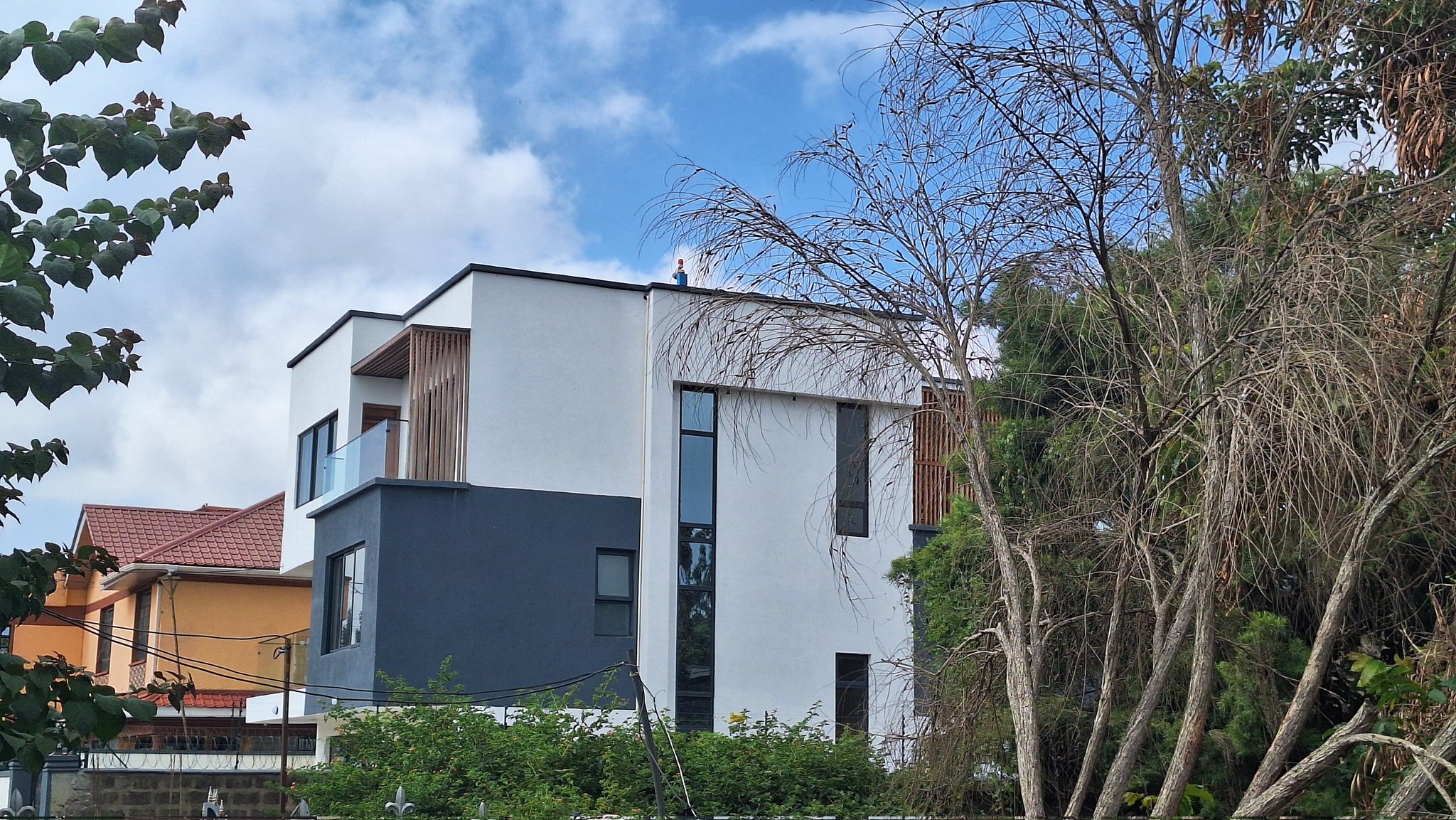
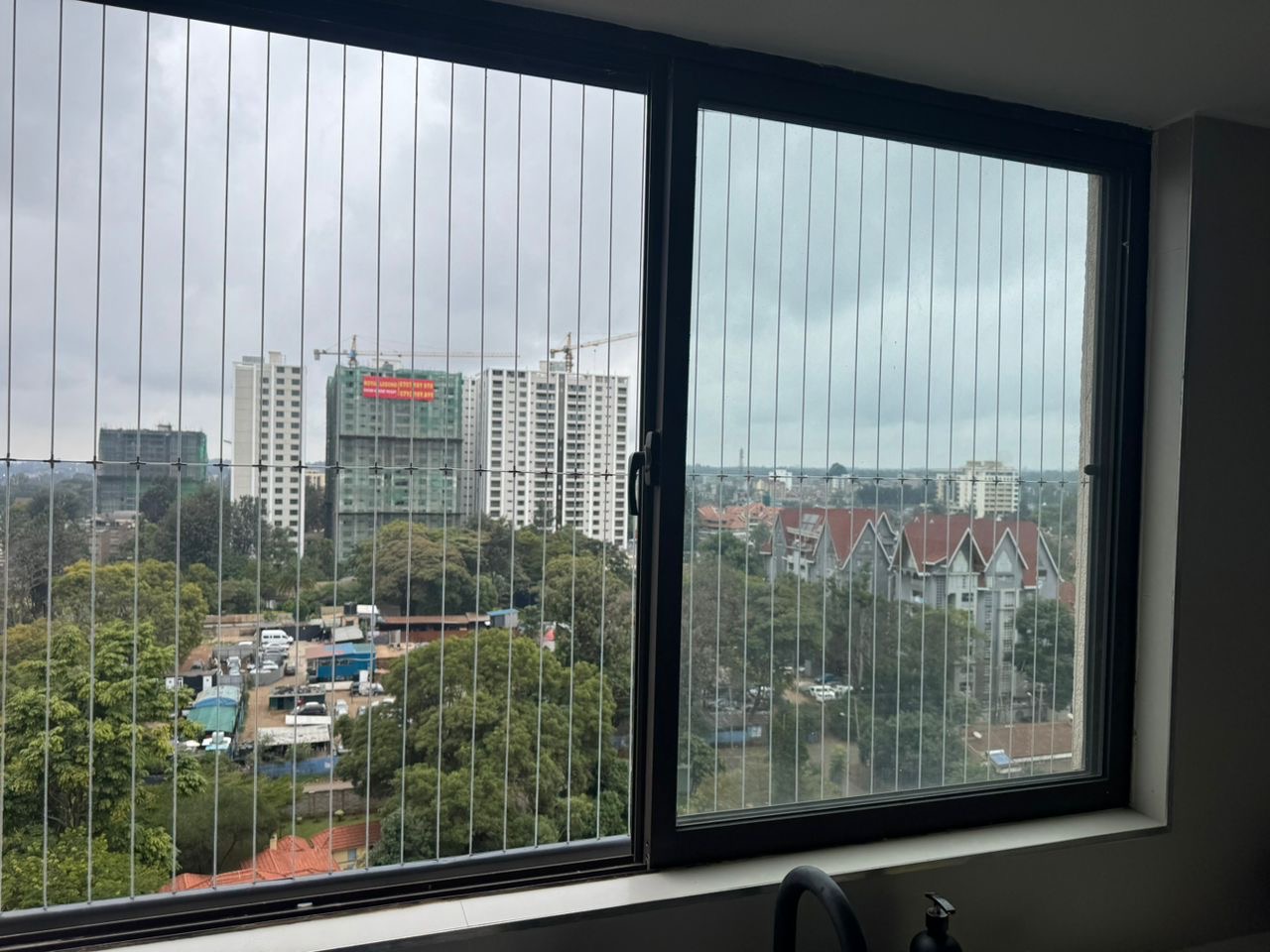
In recent years, invisible grills have emerged as a revolutionary solution for homeowners and property developers in Kenya seeking to combine safety, security, and aesthetics. Unlike traditional bulky metal grills, invisible grills offer a sleek, modern alternative that protects without obstructing views or compromising the architectural beauty of a space. This blog delves into the world of invisible grills in Kenya, exploring their features, benefits, installation process, materials, costs, and more, while addressing their growing popularity in urban centers like Nairobi, Mombasa, and Kisumu.
What Are Invisible Grills?
Invisible grills are advanced safety systems made from high-tensile stainless steel cables, typically coated with a transparent nylon or PVC layer, which makes them nearly invisible from a distance. These cables are installed vertically or horizontally across windows, balconies, staircases, or terraces, creating a protective barrier without the visual clutter of traditional iron or aluminum grills. In Kenya, invisible grills are gaining traction in high-rise apartments, residential homes, and commercial buildings due to their ability to blend seamlessly with modern architectural designs.
The cables used in invisible grills are usually 2–3 mm in diameter and spaced 2–4 inches apart, ensuring both safety and an unobstructed view. They are designed to withstand significant pressure (up to 200–400 kg per cable, depending on the material) and are resistant to rust, corrosion, and harsh weather conditions, making them ideal for Kenya’s diverse climates, from the humid coastal regions to the cooler highlands.
Why Are Invisible Grills Getting Popular in Kenya?
Kenya’s rapid urbanization, particularly in cities like Nairobi and Mombasa, has led to a surge in high-rise residential and commercial buildings. As more people live in apartments or homes with balconies and large windows, the need for safety solutions that don’t compromise aesthetics has grown. Invisible grills address this demand perfectly. Below are some reasons for their increasing popularity in Kenya:
Safety Without Compromise: Invisible grills provide robust protection, particularly for families with young children or pets. They prevent accidental falls from balconies or windows, a critical concern in high-rise buildings. Unlike traditional grills, which may have wide gaps or weaker structures, invisible grills are engineered to be strong and reliable.
Unobstructed Views: Kenya is known for its stunning landscapes, from Nairobi’s skyline to Mombasa’s coastal vistas. Invisible grills allow homeowners to enjoy these views without the visual obstruction caused by bulky metal bars. This is particularly appealing in luxury apartments and homes where aesthetics are a priority.
Modern Aesthetics: The sleek, minimalist design of invisible grills complements contemporary architecture. They blend seamlessly with glass facades, open-plan designs, and modern interiors, making them a favorite among architects and interior designers in Kenya.
Easy Installation and Maintenance: Invisible grills require minimal structural modifications and can be installed in a matter of hours by professionals. Their anti-corrosive materials, such as marine-grade SS316 stainless steel, ensure low maintenance, even in Kenya’s coastal regions where humidity and saltwater can accelerate rust.
Versatility: Invisible grills are highly versatile and can be installed in various settings, including balconies, windows, staircases, rooftop terraces, swimming pool fences, and even as office partitions. This adaptability makes them suitable for both residential and commercial properties.
Enhanced Ventilation and Natural Light: Unlike traditional grills, which can block airflow and light, invisible grills allow for better ventilation and natural light, creating brighter and airier living spaces. This is particularly beneficial in Kenya’s warm climate, where good ventilation is essential.
Materials Used in Invisible Grills
The quality of invisible grills depends heavily on the materials used. In Kenya, reputable suppliers use the following materials to ensure durability and safety:
Stainless Steel Cables:
- Grade: Most high-quality invisible grills in Kenya use SS316 marine-grade stainless steel, which is rust-resistant and suitable for coastal areas like Mombasa. Some suppliers may use SS304, which is less resistant to corrosion and better suited for inland areas like Nairobi or Kisumu.
- Diameter: Cables are typically 2–3 mm thick, offering a balance between strength and invisibility.
- Tensile Strength: Each cable can withstand 200–400 kg of pressure, ensuring safety even under significant impact.
Nylon or PVC Coating: A transparent nylon or PVC coating is applied to the stainless steel cables to enhance their durability and resistance to UV rays, rain, and humidity. This coating also makes the cables safer to touch, reducing the risk of injury.
Aluminum or Steel Frames: The cables are anchored to aluminum or steel frames, which are fixed to walls or mounted as standalone structures. These frames are often powder-coated to resist corrosion and match the building’s aesthetics.
Mounting Brackets: High-quality mounting brackets are used to secure the cables, ensuring even tension and stability. These brackets are typically made from corrosion-resistant materials to withstand Kenya’s varying weather conditions.
Installation Process of Invisible Grills in Kenya
The installation of invisible grills is a precise process that requires professional expertise to ensure safety and durability. Here’s a step-by-step overview of how invisible grills are installed in Kenya:
Site Assessment and Measurement
A professional technician visits the site to measure the dimensions of the balcony, window, or other area where the grills will be installed. Accurate measurements are crucial to avoid over- or under-ordering materials. The technician assesses the structural requirements, such as the type of walls or frames available for anchoring the grills.
Design and Customization
Based on the measurements, a layout is created to determine the cable spacing (typically 2–4 inches) and the number of cables needed. Clients can choose between vertical or horizontal cable orientations, depending on their aesthetic and safety preferences.
Material Procurement
High-quality SS316 or SS304 stainless steel cables, along with nylon/PVC coatings and mounting brackets, are procured based on the design specifications.
Frame Installation
Aluminum or steel frames are fixed to the walls or mounted as standalone structures. These frames serve as the anchor points for the cables. In some cases, drilling is required to secure the frames, which may produce noise and dust. Reputable installers, like those in Kenya, partnering with global brands like Hilti, use high-quality tools to ensure precision.
Cable Installation
The stainless steel cables are stretched tightly across the frame, with even tension distributed to ensure stability. The cables are secured using corrosion-resistant mounting brackets, and the tension is adjusted to meet safety standards.
Finishing Touches
Exposed nuts and bolts are covered or painted to match the surrounding walls, ensuring a seamless look. Silicone or other sealants may be applied to secure the frames and protect against water ingress.
Quality Check
The installation is inspected for alignment, tension, and durability. The cables are tested to ensure they can withstand the required pressure (e.g., 200–400 kg per cable).
The entire process typically takes a few hours to a day, depending on the size of the area and the complexity of the installation. In Kenya, professional installers like those in Nairobi and Mombasa ensure minimal disruption to the property during the process.
Cost of Invisible Grills in Kenya
The cost of invisible grills in Kenya varies depending on several factors, including the size of the area, the quality of materials, and the complexity of the installation. Based on industry standards and practices in similar markets, here’s a breakdown of the costs:
Material Quality: SS316 stainless steel is more expensive than SS304 due to its superior corrosion resistance. Expect to pay a premium for marine-grade materials, especially in coastal areas like Mombasa.
Area Size: Prices are typically calculated per square foot or square meter. In Kenya, the cost ranges from KSh 1,500 to KSh 3,000 per square meter, depending on the supplier and material grade.
Installation Fees: Professional installation is essential for safety and typically accounts for 20–30% of the total cost. Some suppliers include installation in their quotes, while others charge separately.
Additional Features: Features like UV-resistant coatings, custom cable spacing, or alarm integration can increase the cost.
For example, installing invisible grills on a 100-square-foot balcony in Nairobi using SS316 cables might cost between KSh 50,000 and KSh 100,000, including materials and installation. Always request a detailed quote from suppliers and ensure they provide a breakdown of costs.
Advantages of Invisible Grills in Kenya
Invisible grills offer numerous benefits that make them an attractive choice for Kenyan homeowners and property developers:
Enhanced Safety: They provide a strong barrier to prevent falls, making them ideal for families with children or pets.
Aesthetic Appeal: Their near-invisible design enhances the beauty of modern homes and commercial spaces.
Durability: Made from rust-resistant materials, invisible grills are built to withstand Kenya’s diverse weather conditions, from coastal humidity to inland heat.
Low Maintenance: The anti-corrosive properties of SS316 stainless steel and nylon coatings mean minimal upkeep is required.
Improved Ventilation and Light: Unlike traditional grills, invisible grills allow for better airflow and natural light, creating comfortable living spaces.
Customizable: They can be tailored to fit various spaces, including balconies, windows, staircases, and terraces.
Burglar Resistance: The high-tensile cables are difficult to cut, providing an additional layer of security against break-ins.
Potential Drawbacks of Invisible Grills
While invisible grills offer numerous advantages, there are some potential drawbacks to consider:
Higher Initial Cost: Invisible grills are more expensive than traditional metal grills due to their advanced materials and installation process.
Limited Privacy: Since the grills are transparent, they offer less privacy compared to opaque metal grills. Homeowners may need additional window treatments for privacy.
Adjustment Period for Pets and Children: The near-invisible nature of the grills may confuse pets or young children, leading to potential collisions until they adjust.
Restricted Airflow: While better than traditional grills, invisible grills may still slightly reduce airflow compared to completely open spaces.
Professional Installation Required: Improper installation can compromise safety, making it essential to hire experienced professionals, which adds to the cost.
Where to Find Invisible Grill Suppliers in Kenya
Invisible grills are a relatively new concept in Kenya, but several suppliers and installers are emerging in major cities like Nairobi, Mombasa, and Kisumu. When choosing a supplier, consider the following:
Reputation: Look for companies with positive reviews and a track record of successful installations.
Material Quality: Ensure the supplier uses SS316 stainless steel for coastal areas or SS304 for inland regions.
Professional Installation: Choose a supplier with trained technicians who follow safety standards.
Warranty: Reputable suppliers offer warranties (typically 5 years) on materials and installation.
Customization Options: Opt for a supplier that offers tailored solutions to fit your specific needs.
Some suppliers in Kenya may partner with international brands or draw inspiration from markets like India and Singapore, where invisible grills are widely used. You can find suppliers through online platforms, construction expos, or referrals from architects and interior designers.
Maintenance Tips for Invisible Grills
Invisible grills are designed to be low-maintenance, but regular care ensures their longevity and performance:
Regular Cleaning: Wipe the cables with a damp cloth and mild detergent to remove dust and dirt. Avoid abrasive cleaners that could damage the nylon coating.
Inspect Tension: Periodically check the tension of the cables to ensure they remain secure. Contact a professional if you notice any loosening.
Check for Corrosion: While SS316 is rust-resistant, inspect the cables and brackets in coastal areas for signs of corrosion, especially if lower-grade materials were used.
Avoid Heavy Impact: Although the cables are strong, avoid placing excessive weight or pressure on them to prevent damage.
Invisible Grills vs. Traditional Grills: A Comparison
| Feature |
Invisible Grills |
Traditional Grills |
| Aesthetics |
Sleek, modern, nearly invisible |
Bulky, often obstructs views |
| Safety |
High-tensile cables (200–400 kg per cable) |
Varies; may have wider gaps or weaker materials |
| Ventilation/Light |
Excellent airflow and natural light |
May block airflow and light |
| Maintenance |
Low; rust-resistant materials |
May require regular painting to prevent rust |
| Installation |
Quick, minimal structural changes |
Time-consuming, may require welding |
| Cost |
Higher (KSh 1,500–3,000 per sq. meter) |
Lower (KSh 500–1,500 per sq. meter) |
| Privacy |
Limited; transparent design |
Better; opaque design |
The Future of Invisible Grills in Kenya
As Kenya continues to embrace modern architectural trends, invisible grills are likely to become a staple in urban residential and commercial projects. Their combination of safety, aesthetics, and durability aligns perfectly with the needs of Kenya’s growing middle class and property developers. Additionally, advancements in materials and installation techniques are expected to make invisible grills more affordable and accessible in the coming years.
Sustainability is also a growing focus, with some suppliers offering eco-friendly materials and coatings that reduce environmental impact. As awareness of invisible grills spreads, we can expect to see them in more homes, schools, and offices across Kenya, from Nairobi’s high-rise apartments to coastal villas in Diani.
Conclusion
Invisible grills represent a perfect blend of safety, style, and functionality, making them an ideal choice for Kenyan homeowners and developers. Whether you live in a high-rise apartment in Nairobi, a beachfront property in Mombasa, or a suburban home in Eldoret, invisible grills offer a modern solution to enhance your living space. By choosing high-quality materials and professional installation, you can enjoy the benefits of unobstructed views, improved ventilation, and peace of mind knowing your loved ones are safe.
If you’re considering invisible grills for your home or office, contact Invisible Grills Kenya for a site assessment and quote. With their growing popularity and proven benefits, invisible grills are transforming the way Kenyans approach safety and design in their spaces. ‘Invisible Grills in Kenya: A Modern Solution for Safety and Aesthetics’, invisible grills have emerged as a revolutionary solution for homeowners and property developers in Kenya seeking to combine safety, security, and aesthetics. Unlike traditional bulky metal grills, invisible grills offer a sleek, modern alternative that protects without obstructing views or compromising the architectural beauty of a space.